Essential for Safety
Road repairs are essential for maintaining the safety, efficiency, and longevity of transportation infrastructure. Over time, roads experience wear and tear due to traffic, weather conditions, and natural aging. Potholes, cracks, and uneven surfaces not only disrupt driving conditions but also pose significant risks to vehicle safety and can contribute to accidents. Regular maintenance, such as resurfacing, patching, and crack sealing, is necessary to prevent further deterioration and to ensure that roads remain in good condition for drivers, pedestrians, and cyclists alike.
Our Process
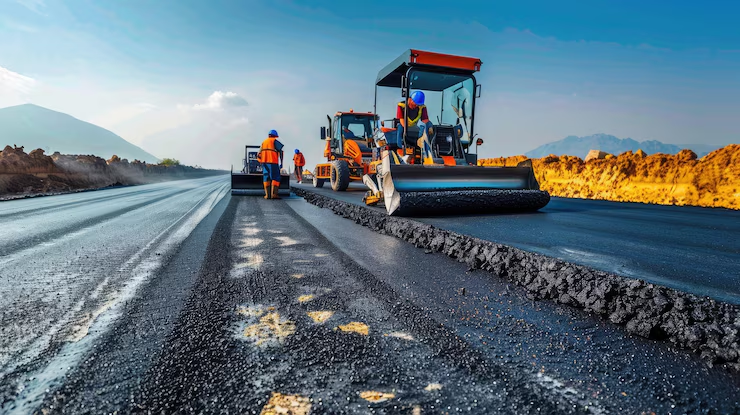
The process of road repair can vary depending on the extent of the damage. For minor issues like small cracks or potholes, crews may use quick-setting asphalt or other sealants to fill in the gaps, creating a smoother surface. In more severe cases, roads may require complete resurfacing or reconstruction, which involves removing the old surface, addressing any underlying structural issues, and laying down a new layer of asphalt or concrete. These larger repairs can take longer to complete and often require detours or lane closures to ensure the safety of workers and drivers.
While road repairs can be disruptive and inconvenient, they are crucial for preventing larger, more costly problems down the line. A well-maintained road network contributes to smoother traffic flow, reduces vehicle maintenance costs, and supports local economies by improving accessibility. Moreover, regular repairs can help reduce the environmental impact of inefficient transportation, as poorly maintained roads can increase fuel consumption due to the rough driving conditions. Ultimately, investing in timely and effective road repairs ensures the overall health of the infrastructure, benefiting everyone who relies on the roads for travel.